March 2, 2026

LED Therapy: More Than Just Light – A Cellular Reset for Skin Health

LED Therapy: More Than Just Light – A Cellular Reset for Skin Health

When most people hear “LED light therapy,” they think of a relaxing facial add-on.

But clinically, it is far more than a light treatment.

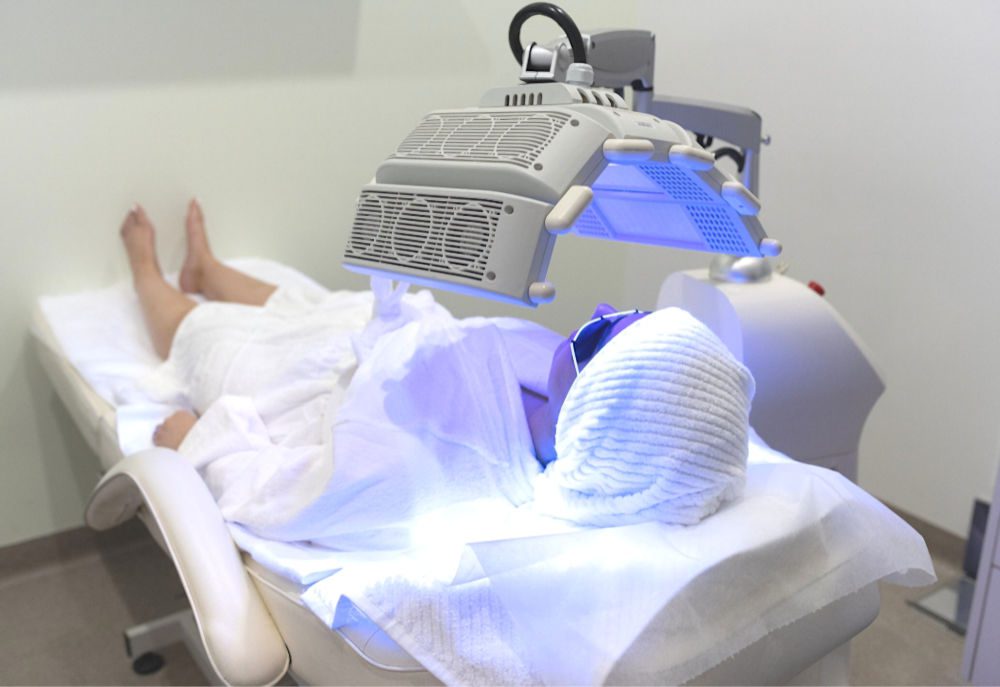
LED therapy is based on a scientific process known as photobiomodulation the use of specific light wavelengths to stimulate and modulate cellular activity. Instead of damaging the skin to force repair (like more aggressive treatments), LED works with the skin’s natural biology to support healing, regeneration, and balance.
This makes it one of the most powerful non-invasive treatments available with absolutely no downtime.

What Is Photobiomodulation?

Photobiomodulation is the clinical term for using therapeutic light energy to influence how cells function. Research has shown that specific wavelengths of light can penetrate the skin and interact directly with the mitochondria — often referred to as the “battery pack” of the cell.

When the mitochondria absorb the correct light wavelength, they produce more cellular energy (ATP).

More energy = better repair, stronger skin function, and improved healing response.

Think of LED therapy like charging the battery to your EV Car- Without energy there is no movement.

Why LED Therapy Is Different From Other Skin Treatments

The biggest benefit is relaxation and no downtime. Studies also show that treatments with minimal to no downtime can improve a client’s experience, both during and after treatment. LED is unique because, rather than triggering inflammation, it helps regulate it and support the skin’s natural healing process. .

That is why it is commonly used in medical and aesthetic settings worldwide, including post-procedure healing and skin rejuvenation protocols.

Understanding Different LED Wavelengths

Red Light (Cellular Energy & Rejuvenation)

It is one of the most researched wavelengths in aesthetic and medical photobiomodulation.

Red light works at a cellular level by stimulating the mitochondria supporting the cell’s energy source.

This supports, collagen production, Skin rejuvenation and skin vibrance with faster healing.

Near Infrared (NIR) – Deep Tissue Support

Near Infrared light is invisible to the naked eye but penetrates deeper into the tissue than visible light wavelengths. NIR is often combined with other wavelengths to amplify clinical outcomes and support both skin and deeper tissue recovery. It’s prominently used in the sport area and its benefits include, increase blood flow, pain relief support and deep cellular repair.

Blue Light (Acne & Bacterial Support)

Blue light is the most superficial wavelength and is widely known for targeting acne-causing bacteria. Its main benefit is to reduce acne causing bacteria, calm and reduce redness and support clearer skin.

However, professional assessment is important, as blue light must be used carefully on darker skin tones due to it’s ability to darker pigment.

xen-LED-therapy-back

Not All LED Devices Are Created Equal

This is one of the biggest misconceptions in the industry.

Many at-home LED devices and low-grade systems simply do not deliver the same energy output as professional clinical-grade systems. The effectiveness of LED therapy depends on:

  • Wavelength accuracy
  • Energy output (irradiance)
  • Treatment time
  • Coverage area
  • Clinical calibration

Using a low-powered retail device for a few minutes occasionally will not produce the same biological response as a professional-grade LED system designed for therapeutic outcomes.

In simple terms, it’s not just about the colour of the light, it’s about the energy delivered to the cells.

Evidence-Based Wavelengths Matter

While you may see devices offering multiple colours like purple, orange, or pink, the most clinically researched and evidence-based wavelengths remain: Red, Blue and NIR Near Infra Red.

These wavelengths have documented research supporting their role in photobiomodulation, inflammation reduction, and skin healing.

Who Is LED Therapy Suitable For?

LED therapy is ideal for:
• Acne-prone skin
• Sensitive or reactive skin
• Ageing and collagen support
• Post-treatment healing
• Inflammatory skin conditions
• Clients wanting results without downtime

The Future of Skin Treatments: Working With the Cells, Not Against Them

In modern aesthetics, the shift is moving toward regenerative treatments that support the skin’s biology rather than aggressively damaging it.
LED therapy represents this evolution.

It is gentle, intelligent, and scientifically backed — a true cellular reset that enhances skin function from the inside out.

And when used as part of a professional treatment plan, it becomes more than just a relaxing light session.

It becomes a results-driven therapy grounded in science, healing, and long-term skin health.

Ready to experience the benefits of clinically guided LED Therapy for yourself? **Book your appointment today** and begin your personalised skin health journey.

Related Posts

Scroll to Top